Demo Play in the UK — The First Ten Minutes, the First Hour, the First Week
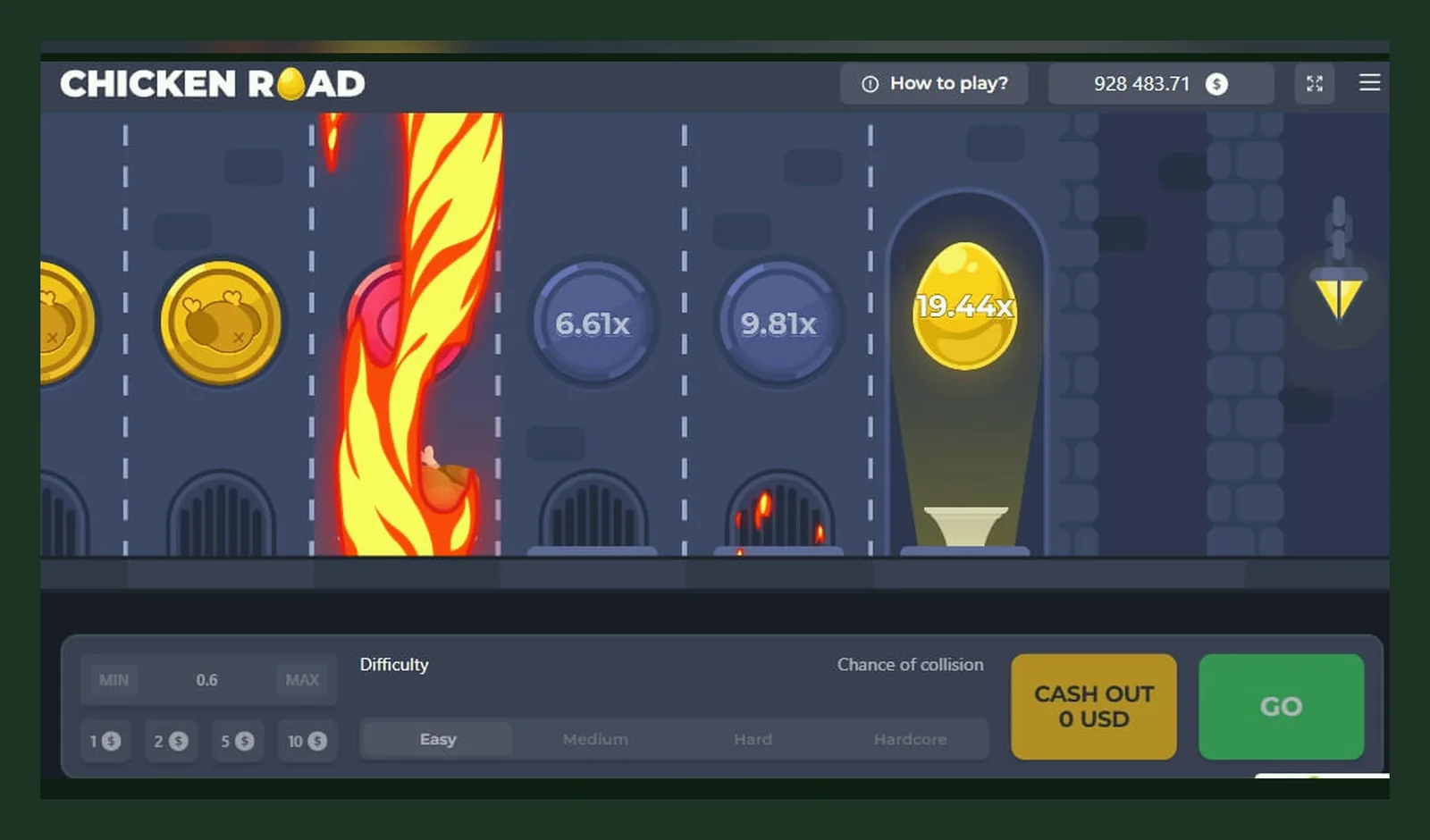
Here's the one rule that shapes every demo session on a UK site: the Gambling Commission requires age and identity checks before you can deposit, and many UKGC-licensed operators now gate demo play behind the same logged-in, age-verified account. You won't find an instant «play now» button the way you might in unregulated markets — you'll register, prove you're over eighteen, then unlock the free version.
That gatekeeper step means the demo you see is the real client, not a neutered marketing preview. The bet controls, the pace, the RTP formula — all identical to real money. The only differences sit at the edges: no withdrawal button, no bonus-wagering tracker, and a balance that resets when you refresh. This breakdown walks through what the first ten minutes reveal, what the first hour teaches, and what the first week of intermittent demo play will and won't prepare you for when you switch to actual stakes.
The First Ten Minutes — What the Demo Shows and What It Hides
You log in, the game client loads, and the balance reads £1,000.00 or £5,000.00 depending on the site's default. The bet slider runs from £0.10 to £100.00 — the upper end is there for technical parity with other markets, but the moment you switch to real money on a UKGC site, that ceiling drops to £5.00 per round, or £2.00 if you're eighteen to twenty-four and the operator has implemented the voluntary lower cap many large brands adopted after the affordability review.
In those first ten minutes, you'll see the multiplier climb in real time, the cash-out button light up, and the round resolve when the event ends. The RTP percentage — whatever the provider publishes — is live; the RNG seed cycles exactly as it does under real stakes. What you won't see: a withdrawal option in the cashier tab, any mention of wagering requirements if a welcome bonus were active, or the document-upload prompt that appears before your first real payout. The demo hides the operational friction, not the game math.
The First Hour — Volatility, Stake Limits, and the Pace You'll Actually Play
An hour of demo rounds reveals the game's volatility signature. Chicken Road 2 can string together five or six losing rounds in quick succession, then deliver a mid-tier multiplier that recovers half the session loss. That cadence is identical in demo and real mode; the difference is emotional weight. In demo, a £50.00 loss erases with a refresh. In real money, that same sequence — at the £5.00 cap — costs you £25.00 to £30.00 in actual funds, and if you've deposited £150.00 in a calendar month, the operator's first-stage affordability check pulls credit-reference data to estimate your disposable income.
The hour also teaches you the game's tempo. Crash-style rounds run faster than reel slots — ten to twenty seconds from bet-lock to resolution — so sixty minutes can churn through 180 to 240 rounds if you're playing continuously. In demo, that speed feels liberating; in real money, it means your bankroll drains or grows much faster than a traditional slot, and the £5.00 stake cap becomes a meaningful brake on loss velocity.
- Auto cash-out thresholds you set in demo carry over to real play; test conservative targets like 1.5× or 2.0× to see how often they trigger.
- The history ticker on the side panel shows the last 10 or 20 results — use it to gauge clustering, but remember each round is independent and past outcomes don't predict the next.
- If the demo balance drops below your planned per-round stake, reload the page; running a session on fumes won't teach you proper bankroll discipline.
The First Week — Pattern Recognition, False Confidence, and What Demo Can't Teach
A week of intermittent demo play — ten or fifteen sessions spread across evenings — gives you fluency with the controls, a feel for the multiplier distribution, and a false sense of the game's true cost. Because the demo balance resets, you never experience a sustained drawdown that eats three or four deposits in a row. You also never face the decision tree that opens after a big win in real money: withdraw and lock the profit, or keep playing and risk the classic give-back.
What demo does teach over a week: which cash-out point balances frequency and payout size for your risk tolerance, how often the multiplier breaks 5.0× or 10.0×, and whether the game's pace suits your temperament. If you find yourself chasing losses in demo — reloading the page and doubling the stake to recover — that habit will cost real money the moment you switch.
| Element | Demo Behaviour | Real-Money Reality |
|---|---|---|
| Balance top-up | Instant page refresh | Deposit via debit card or PayPal, Faster Payments clears same day, no credit cards allowed since 2020 |
| Withdrawal | Button absent | First payout: KYC documents, 24–48 hours; subsequent: same day to 2 working days depending on method |
| Stake ceiling | £100.00 visible in slider | £5.00 cap, or £2.00 if you're 18–24 on certain sites |
| Bonus wagering | Not shown | Welcome bonus typical ×35 to ×50, crash games often contribute 100% but check the terms |
Switching to Real Money — The Lowest-Risk Entry Point
When you decide to move from demo to real stakes, the safest path starts with the minimum deposit the site allows — often £10.00 — and the lowest per-round bet, which is usually £0.10 or £0.20 depending on the game's configuration. That combination gives you 50 to 100 rounds of real experience without the pressure of a large bankroll at risk. Set a session loss limit in your head before you start — £10.00 lost means you stop, full stop — and leave the deposit limit tools alone for now; you'll configure those after you understand your actual play pattern.
Two traps to avoid in the first real session: accepting a welcome bonus without reading the wagering terms, and jumping straight to the £5.00 stake cap because demo made it feel normal. The bonus locks your deposit and winnings until you've turned over the combined amount 35 or 50 times, and crash games, while they usually contribute fully to that requirement, cycle your funds so fast that you can blow through the playthrough in an hour and walk away with nothing. The £5.00 cap, meanwhile, drains a £50.00 deposit in ten losing rounds — a sequence that felt trivial in demo but stings when it's your own money.
- Deposit £10.00 to £20.00 via debit card or PayPal; verify your age and address during the sign-up flow so there's no delay later.
- Decline the welcome bonus or read every line of the terms; if the wagering is above ×40 and you're new to crash games, skip it.
- Bet £0.20 to £0.50 per round for the first 20 to 30 rounds; use the same cash-out targets you tested in demo.
- Stop after the session whether you're up or down; evaluate how the emotional texture differed from demo before you play again.
- Set a deposit limit of £50.00 or £100.00 per week once you've played three or four sessions; the UKGC requires operators to offer this, and it's easier to raise a limit than to reverse a loss spiral.
If you win on that first session — say you turn £10.00 into £30.00 — withdraw £20.00 immediately to test the payout process. You'll upload a photo ID and a recent utility bill, wait 24 to 48 hours for approval, then receive the funds via Faster Payments or back to your debit card. That initial withdrawal teaches you the site's true turnaround time and confirms the operator's UKGC licence isn't just a footer badge; the public register on the Commission's site lists every licensee and their compliance record.
Demo on Mobile — What Changes and What Doesn't
Chicken Road 2 runs as a web app in mobile Safari or Chrome; there's no standalone APK or App Store download because most crash games load faster as progressive web apps than as native clients. The demo experience on a phone mirrors desktop — same bet controls, same balance reset, same RTP — but two practical differences emerge: screen real estate and connection stability.
On a 6-inch display, the multiplier counter and cash-out button dominate the viewport, which sharpens focus but hides the history ticker unless you scroll. That layout makes it harder to spot patterns in recent results, not that pattern-spotting helps against an RNG, but it changes how you perceive the session's rhythm. The bigger risk is connection drop. If your 4G signal wavers mid-round during demo, the game freezes and you refresh; in real money, a disconnect during an active bet defaults to auto cash-out at the threshold you set, or lets the round run and settles when you reconnect. Test demo on your phone over mobile data, not just Wi-Fi, to see if your usual commute or lunch-break location has stable enough service.
When Demo Stops Being Useful — Recognising the Limits of Free Play
Demo play has a half-life. The first few hours are invaluable for learning the interface and testing cash-out discipline without cost. After a week, the lessons flatten because demo can't replicate the emotional and financial friction of real stakes: the sting of a bad run, the temptation to chase, the relief of a withdrawal landing in your bank account. If you're still grinding demo after ten or fifteen sessions, you're either procrastinating the decision to play for real, or you've discovered you enjoy the mechanical rhythm of the game without caring about the outcome — in which case, demo is exactly where you should stay.
The other limit is strategic. Because demo balance resets, you can't test long-arc bankroll strategies like the Kelly criterion or flat-betting over 500 rounds to measure actual RTP deviation. And because there's no bonus wagering or withdrawal queue, demo hides the operational layer that often determines whether a winning session turns into profit or frustration. The moment you find yourself thinking «I'd bet more if this were real» during a demo round, that's the signal you've learned what demo can teach and the rest requires skin in the game.
One final note: if you're in GAMSTOP — the UK self-exclusion register that blocks all UKGC-licensed sites for six months to five years — demo access disappears along with real money. The scheme covers every operator with a remote licence, and there's no carve-out for free play. If you've self-excluded and you're reading this, the kindest advice is to respect that boundary; the demo will still be there when the term ends, and BeGambleAware has resources in the interim.
FAQ
Does demo play require age verification on UK sites?
Yes, on most UKGC-licensed operators. You'll register, prove you're over eighteen with a document or credit-reference check, then access demo mode from a logged-in account. Instant «play now» demos are rare here because the Commission expects age gates even for free play.
Will my demo results predict real-money outcomes?
No. The RNG and RTP are identical, but each session is independent. A winning streak in demo doesn't increase or decrease your odds when you switch to real stakes; the game has no memory and every round is a fresh probability draw.
Can I test bonus wagering in demo mode?
No. The demo balance isn't locked to wagering requirements, and there's no playthrough tracker. If you take a welcome bonus in real money — typically ×35 to ×50 on UK sites — you'll need to learn the wagering rhythm with actual funds; demo won't show you how fast the requirement depletes or how close you are to clearing.
What's the fastest way to move from demo to a real withdrawal?
Deposit £10.00, play at £0.20 to £0.50 per round, and if you double the balance, withdraw half to trigger the KYC process. Upload your ID and proof of address immediately — the 24 to 48-hour approval window starts when you submit documents, not when you request the payout. Once cleared, future withdrawals via Faster Payments arrive same day to two working days.