Where Your Money Goes in the Original Game
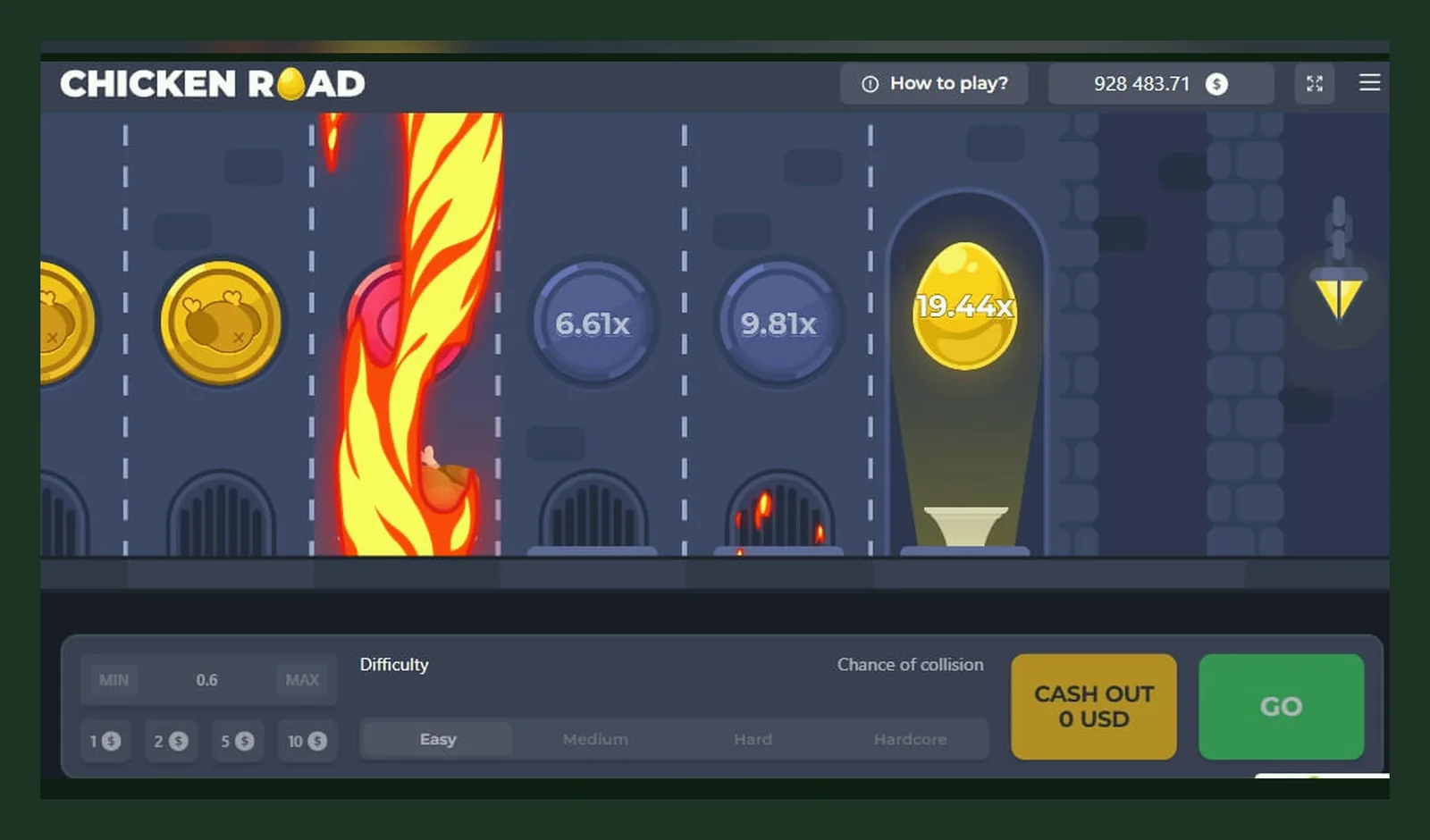
Two versions sit in front of you. One is the original, certified and listed in the UKGC register. The other is a clone that looks identical until you hit a withdrawal. The original costs £0.10 to £5.00 per round — or £2.00 if you are 18 to 24 — and the tech sheet has been filed with the regulator. The clone has no stake cap, no transparency, and no legal recourse when the payout stops.
This page walks through the original: who built it, how a round actually works, where the maths sits, and what separates it from the copies circulating online. If you are deciding whether to play for real money, these are the numbers that matter.
Who Made It and How the Certification Works
The original is built by a studio that holds a B2B certificate from an accredited test house — usually iTech Labs, eCOGRA, or Gaming Laboratories International. That certificate confirms the RNG passes statistical tests and the stated RTP matches the code. The studio supplies the game to UKGC-licensed operators, who list their own licence number in the footer.
You can check the operator in the UKGC public register and match the licence number on the site. If the number is missing or does not appear in the register, the site is unlicensed and illegal to serve British players. The game itself does not carry a player-facing certificate — certification sits upstream with the operator and the studio.
- Look for the UKGC licence number in the footer — typically eight digits.
- Search the operator name in the Commission's register at gamblingcommission.gov.uk.
- Check that the licence status is active and the operator is authorised for remote gambling.
- If the register shows no match, you are on an unlicensed site.
How a Round Works from Your Seat
You pick a stake between £0.10 and £5.00 — or £2.00 if you are under 25 — and press Start. The game draws a hidden roadmap: safe squares and a trap square in each column. A chicken steps forward one square at a time. You click to advance or cash out. If the chicken lands on a trap, the round ends and the stake is lost. If you cash out before hitting a trap, you collect the accumulated multiplier.
The multiplier grows as you move deeper into the grid. Early squares pay small multiples — 1.1× or 1.2× — and later squares can push the win above 100× if you survive. The roadmap is fixed at the start of the round, so the outcome is already determined; your choice is when to stop, not which path to take.
- Set your stake and difficulty level — the number of safe squares per column.
- Press Start. The roadmap is generated and hidden.
- Click to advance the chicken one square. The square reveals as safe or trap.
- Cash out at any point to collect the current multiplier, or continue forward.
- If you land on a trap, the round ends and the stake is lost.
- If you reach the final column without hitting a trap, the game pays the maximum multiplier for that path.
The speed is entirely in your hands. You can tap through in ten seconds or pause between squares. The game does not force a decision, and there is no countdown timer.
The Real Numbers from the Tech Sheet
The tech sheet filed with the regulator shows the bet range, RTP, max win, and volatility. These numbers are binding for the original and testable by the regulator. Clones do not file a tech sheet and are not subject to the same audit.
High volatility means long losing streaks are built into the maths. The 97% RTP is an average over millions of rounds, not a promise for your session. The maximum win of 10,000× is reachable only on the hardest difficulty and requires surviving the full grid — a probability well under 1%.
Which Clones Circulate and How They Differ
Clones copy the visual layout and basic mechanics but run on different servers with no regulatory oversight. The RNG is untested, the RTP is unverified, and withdrawal requests often stall or disappear. Some clones accept cryptocurrency to bypass banking checks; others mimic the UKGC licence footer with fake numbers that do not resolve in the register.
| Feature | Original | Typical Clone |
|---|---|---|
| UKGC Licence | Yes, in register | No or fake number |
| Stake Cap | £5.00 / £2.00 by age | No cap |
| RTP Certification | Filed and audited | Not disclosed |
| Withdrawal Method | Faster Payments, e-wallets | Often crypto only |
| KYC Check | Before first withdrawal | Often skipped |
| GAMSTOP | Mandatory | Not connected |
The easiest tell is the footer. If the UKGC licence number is missing or does not match the register, you are on a clone. Legitimate operators connect to GAMSTOP, the national self-exclusion scheme, and enforce affordability checks from £150 net deposits a month. Clones skip both.
- Check the UKGC register for the operator and licence number.
- Look for GAMSTOP integration — it is mandatory for licensed sites.
- Avoid sites that accept only cryptocurrency or offer no KYC process.
- If the site advertises stakes above £5.00 or has no age-based cap, it is unlicensed.
A Ten-Second Check That You Are on the Original
Open the site footer. Look for a UKGC licence number — eight digits, sometimes preceded by «Licence No.» or similar wording. Copy the number and paste it into the Commission's public register search. If the operator appears and the licence is active, the site is legitimate. If the number returns no results or the operator is not listed, close the tab.
A second marker is payment methods. UKGC-licensed sites accept debit cards, PayPal, Apple Pay, and Open Banking. Credit cards have been banned for gambling since 2020. If the site asks for a credit card or pushes cryptocurrency as the only option, it is operating outside UK law.
- Scroll to the footer and locate the UKGC licence number.
- Search the number in the register at gamblingcommission.gov.uk.
- Confirm the operator name matches and the licence status is active.
- Check the payment methods: debit cards and e-wallets are standard; credit cards are banned.
- Look for GAMSTOP and BeGambleAware links — both are required on licensed sites.
Where the Original Runs for a Player from This Market
The original appears in the crash or instant-win section of UKGC-licensed casinos. You log in with an age-verified account, deposit via debit card or e-wallet, and select the game from the lobby. Demo play is available on many sites, but age verification is required even for free rounds.
Deposits land instantly. Withdrawals to e-wallets take a few hours to 24 hours; Faster Payments to your bank account settle the same day or within two working days. The first withdrawal triggers KYC checks — proof of identity and address — which add 24 to 48 hours. Every operator enforces the £5.00 and £2.00 stake caps by age, and affordability checks start from £150 net deposits a month, using credit-reference data at the first stage.
| Step | What Happens | Typical Time | |
|---|---|---|---|
| Registration | Age and identity checks via ID or credit file | A few minutes | → |
| First Deposit | Debit card, PayPal, Apple Pay, Open Banking | Instant | → |
| Play | Stake capped at £5.00 or £2.00 by age | Real-time | → |
| First Withdrawal | KYC documents required | 24–48 hours | → |
| Subsequent Withdrawals | Faster Payments or e-wallet | Same day to 2 working days | → |
Winnings are tax-free for the player. Operators pay Remote Gaming Duty, raised to 40% in April 2026, but that does not touch your payout. If you win £1,000, you keep £1,000.
FAQ
How do I know the RNG is fair in the original game?
The RNG is tested by an accredited lab — typically iTech Labs, eCOGRA, or GLI — and the certificate is filed with the operator's regulator. UKGC-licensed operators are audited regularly, and the game's RTP and volatility are published in the tech sheet. Clones do not file a tech sheet and have no independent audit.
What is the maximum I can win in a single round?
The maximum win is 10,000× your stake, reachable only on the hardest difficulty level if you survive the full grid. At a £5.00 stake, that is £50,000. The probability of reaching the final square without hitting a trap is well under 1%, so the max win is a theoretical ceiling, not a typical outcome.
Why is my stake capped at £2.00 when the site says £5.00?
Players aged 18 to 24 face a £2.00 stake cap on slots and similar games under UKGC rules. The cap applies to every spin or round, and the site enforces it automatically based on your verified age. Once you turn 25, the cap lifts to £5.00.
Can I play the original in demo mode without depositing?
Most UKGC-licensed sites offer demo play, but you must log in with an age-verified account even for free rounds. Some operators show the demo only after you complete registration and pass the initial ID checks. Unlicensed clones often let you play without verification, which is a red flag.
How long does the first withdrawal take and why?
The first withdrawal triggers KYC checks: proof of identity, address, and payment method ownership. The operator reviews your documents and matches them to your account, which takes 24 to 48 hours. After that, withdrawals to e-wallets settle in a few hours, and Faster Payments to your bank take the same day to two working days.
What happens if I hit the affordability check threshold?
Affordability checks start from £150 net deposits a month. At the first stage, the operator runs a soft credit check — no impact on your credit score — to verify your income and spending capacity. If the check raises concerns, the operator may ask for payslips or bank statements. If you cannot prove affordability, the operator can limit your deposits or close your account.